

Chocolate Mousse — the Potatowhip Version
By Emmanuelle Grillet-Aubert, pastry chef
The same mousse, with a different plant-based white. Two products, two textures: pick your favorite.
Who has never sunk a spoon into a good chocolate mousse — generous, melting and gloriously nostalgic? It is one of those timeless desserts that take us straight back to childhood and that we never tire of.
But did you know that chocolate mousse is a dessert deeply rooted in the history of French cooking?
Its origins go back to the eighteenth century. Its creation is sometimes credited to Charles Fazi, a Swiss cook said to have worked in the service of King Louis XVI. As early as 1755 the cook Menon mentioned a “chocolate mousse”, though at the time the term could also mean the foam on a chocolate drink.
It took until the nineteenth century for recipes closer to our dessert to appear. In 1820 André Viard published a preparation based on chocolate, egg yolks, cream and sugar in his Cuisinier royal.

Later, the painter Toulouse-Lautrec — a great lover of good food — was credited with a version using whipped egg whites.
Over the generations, chocolate mousse became a fixture of French tables, as welcome in home kitchens as in great restaurants.
Where fine pastry meets plant-based innovation
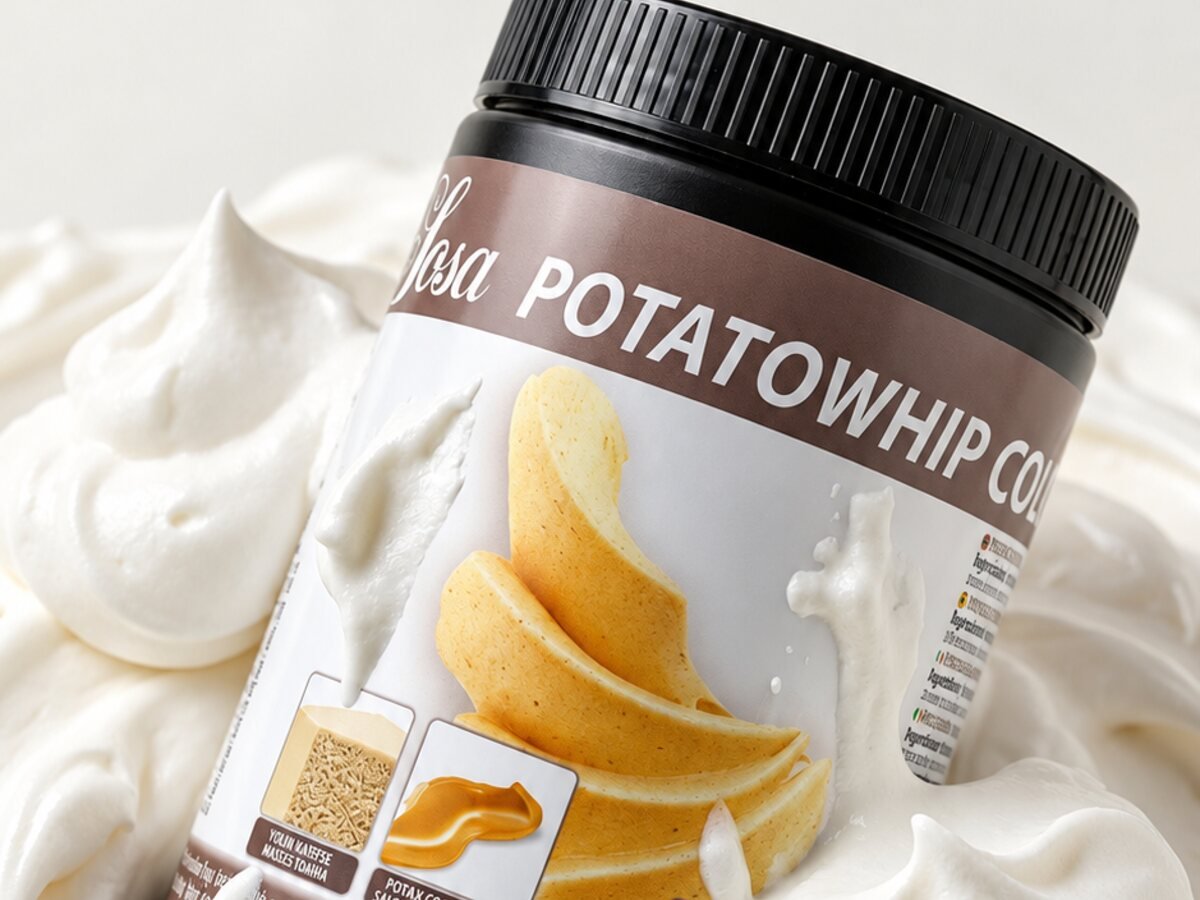
For this second version of my plant-based chocolate mousse, I wanted to introduce you to a rather extraordinary ingredient: Potatowhip Cold from Sosa Ingredients, a brand you find in the Valrhona Sélection range.
Valrhona is an emblematic house of fine chocolate, particularly prized by pastry chefs for the excellence of its chocolates and ingredients. For me it is a world that speaks of craft, rigor and very high quality.
And today that world is opening up more and more to plant-based pastry, thanks to some particularly inventive technical ingredients.
Potatowhip Cold is a fine example.
It is a powder made of potato protein, able to replace certain functions of egg white in cold preparations — notably its foaming and emulsifying power.
I find this innovation absolutely fascinating.
All the more so because it has a very practical advantage: the product keeps as a powder, in a jar, and you use it as needed.
No more opening a can of chickpeas to recover the liquid — that famous aquafaba — or preparing it yourself.
Personally, chickpeas and their cooking liquid do not sit well with me. So this alternative suits me perfectly, because I tolerate it very well.
That too is what I love about plant-based pastry: it keeps evolving and keeps offering new ways to recover the textures and sensations of traditional baking, without eggs or dairy.
A generous, creamy, intensely chocolatey mousse
In this recipe I also wanted to work a slightly different texture from my first chocolate mousse.
Here I use a soy cream, paired with a chocolate ganache made with rice milk.
The aim was a mousse a little denser, more generous and particularly melting in the mouth, while keeping that sensation so characteristic of chocolate mousse.
Potatowhip Cold brings the airy dimension that makes all the difference.
It is another way of coming at this legendary dessert, playing with textures, pairings and the modern techniques of plant-based pastry.
And in the end, that is exactly what fascinates me: showing you that we can rework the greatest classics of our culinary heritage without giving up pleasure, creativity or indulgence.
Because a chocolate mousse should above all remain a chocolate mousse: a generous, comforting dessert you sink a spoon into with an almost childlike pleasure.
Ingredients
- 140 g vanilla rice milk
- 265 g dark baking chocolate, at least 50% cocoa
- 200 g soy cream, or water for the less creamy variation mentioned
- 10 g POTATOWHIP COLD
Method
- 1
Melt the chocolate in the hot milk. Let it come back to room temperature, stirring regularly. It will take about 20 minutes; put your hand under the bowl — the heat should no longer bite, and the ganache should still be supple.
- 2
Blend the soy cream and the powder with an immersion blender until bubbles appear.
- 3
Whip in a stand mixer for 4 minutes on speed 1, then several minutes at a higher speed; the mousse should be firm.
- 4
Fold in the cooled ganache in several additions, gently, with a spatula. Divide among your containers and refrigerate overnight.
I truly hope this recipe gave you as much pleasure to eat as it gave me to create.
And above all, I hope you enjoyed it enough to end up, like a child, with a little chocolate at the corner of your mouth and that happy look that says far more than words.
Do let me know how it went on social media, share what you made, your impressions and your small victories. It is always an immense pleasure to see my recipes come alive in your kitchens.
Because in the end that is the goal I set myself with Les Secrets d’une Cheffe: to share, to pass things on and to give you the keys to making beautiful plant-based, gluten-free desserts that bring as much happiness to the person making them as to the person eating them.
I wish you a wonderful tasting. Enjoy it, treat yourself and, above all, treat the people you love.
With all my love of good food,
Les Secrets d’une Cheffe
Emmanuelle Grillet-Aubert
Original post: see it on Instagram
Did you make this recipe?
Do share it on Instagram and tag me @lessecretsdunecheffe and use the hashtag below. I love seeing what you make.
#lessecretsdunecheffe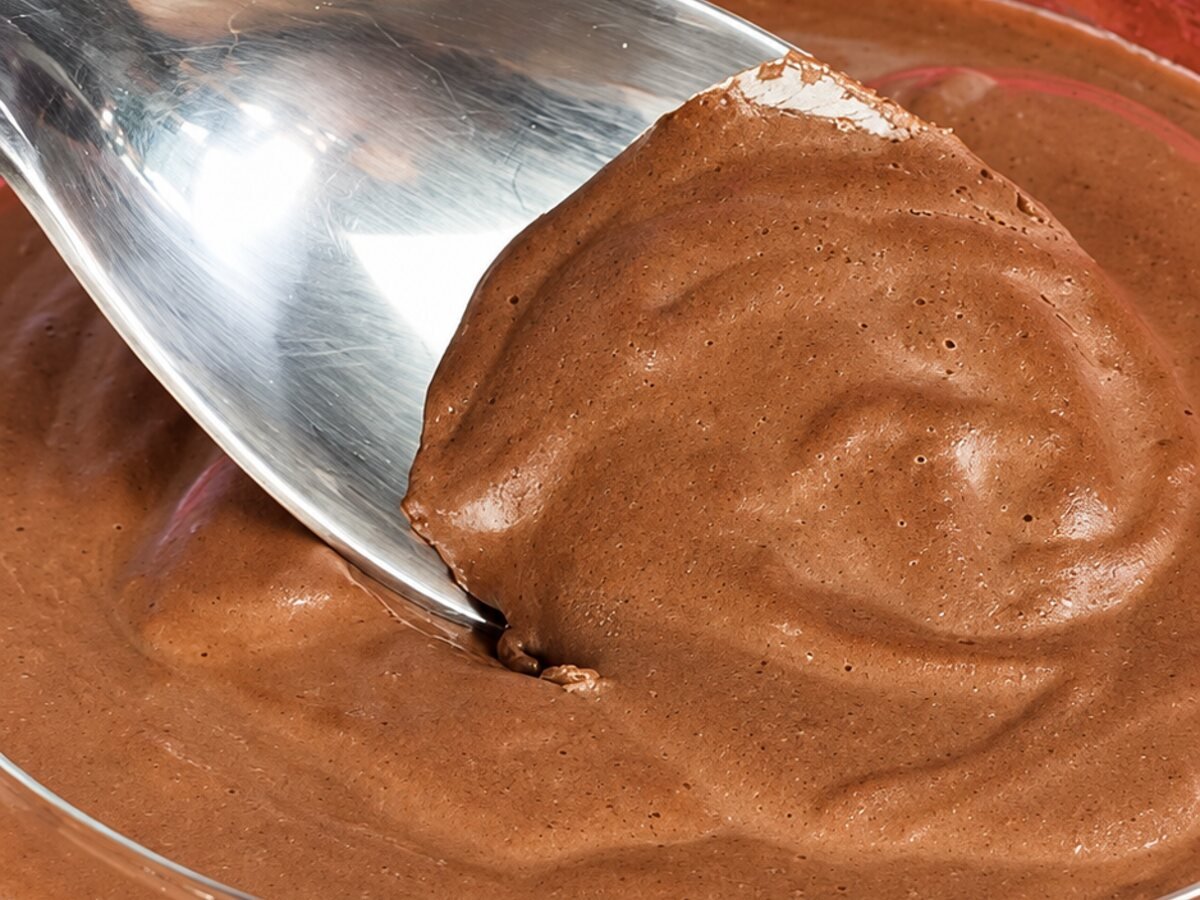

Want to go further?
The full courses take you through every move on video, with the recipe sheets and lifetime access.
Discover my video courses