

Hazelnut Praline, Crushed and Smooth, with Coconut Sugar
Hazelnuts, coconut sugar, patience. Homemade praline paste bears no relation to the store-bought kind.
Ah, praline. If there is one preparation in pastry I never tire of, it is this one.
I have to admit something: I am a true lover of hazelnuts. Their perfume, their delicately toasted flavor, their richness… I love absolutely everything about them.
That is why, unlike traditional recipes that often pair hazelnuts with almonds, I prefer to make my praline with hazelnuts alone.
And for this recipe I chose to pair them with coconut sugar, whose lightly caramelized notes bring a particularly interesting flavor.
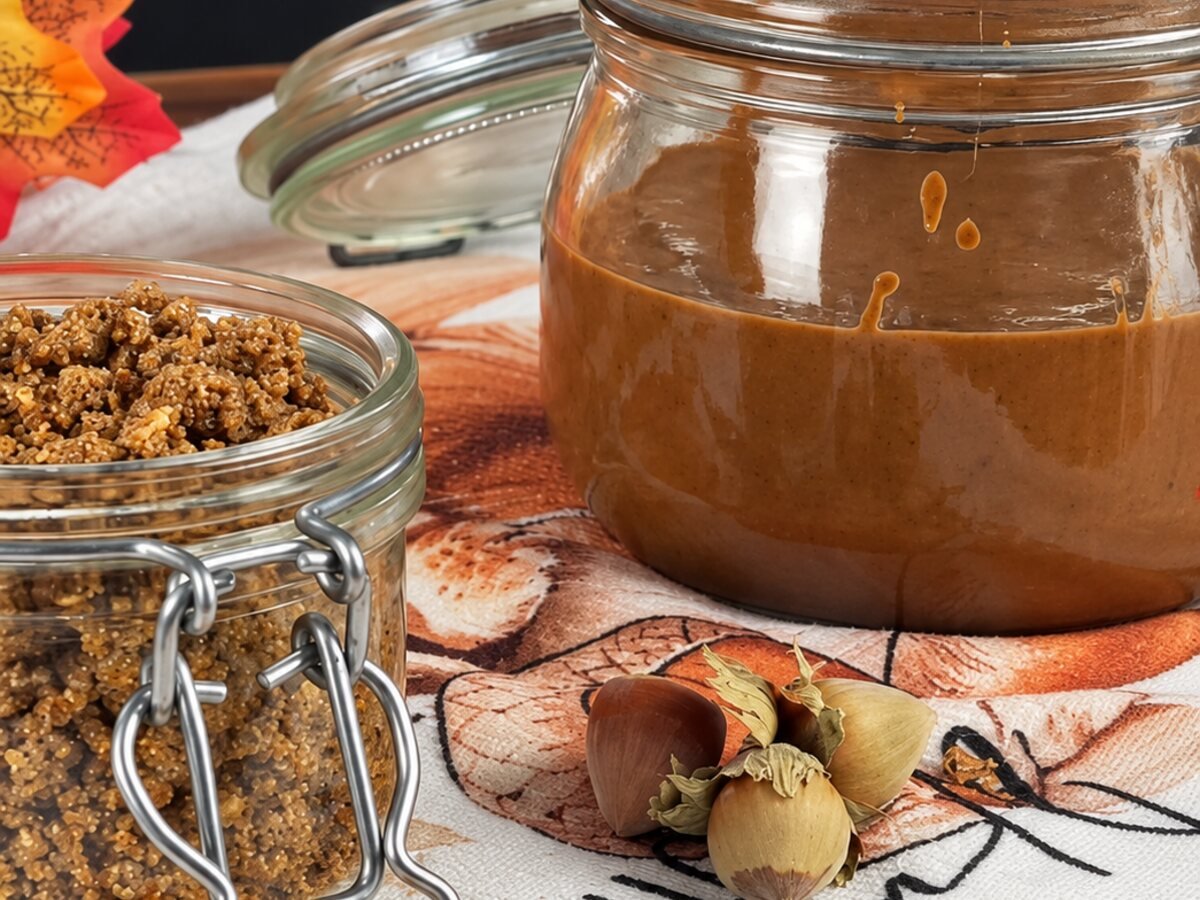
Two ingredients, quite simply, for a small marvel you can use a thousand ways in your baking.
A little history: where does praline come from?
Praline is one of those great preparations that cross the centuries without ever losing their appeal.
Its history takes us back to seventeenth-century France, to the court. Tradition has it that the praline was born in the kitchens of Marshal du Plessis-Praslin, whose name it kept.
Originally it was almonds coated in cooked sugar, a crisp and delicious confection. Over time, pastry chefs began crushing these caramelized nuts, giving rise to pralin, and then grinding them ever more finely to obtain the silky paste we now call praline.
What a fine invention.
Even today praline holds an essential place in French pastry. You find it in the famous Paris-Brest, but also in chocolates, entremets, creams and many other creations.
Crushed or smooth: one recipe, two possibilities
That is exactly what I particularly love about this preparation: following my recipe step by step, you get to choose between two completely different textures.
When you start blending your hazelnuts and coconut sugar prepared as the recipe says, you first get a granular texture made of smaller and larger fragments.
That is what the French call pralin.
And that crushed praline is already a small marvel on its own.
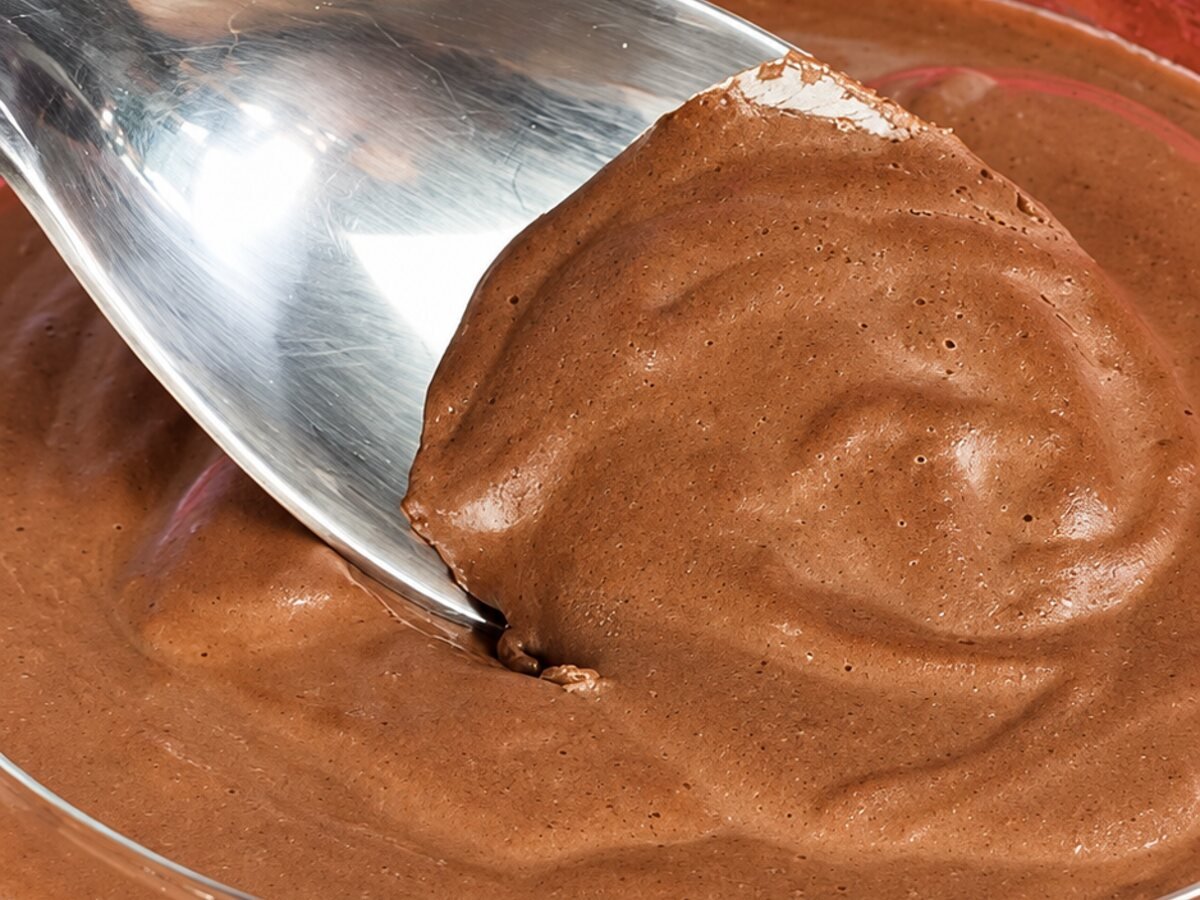
You can use it to bring crunch to your entremets, scatter it over chocolate mousse, ice cream, pots of custard or cookies, or fold it into a crisp base for a Royal — also called a Trianon.
But if you keep blending, something rather magical happens.
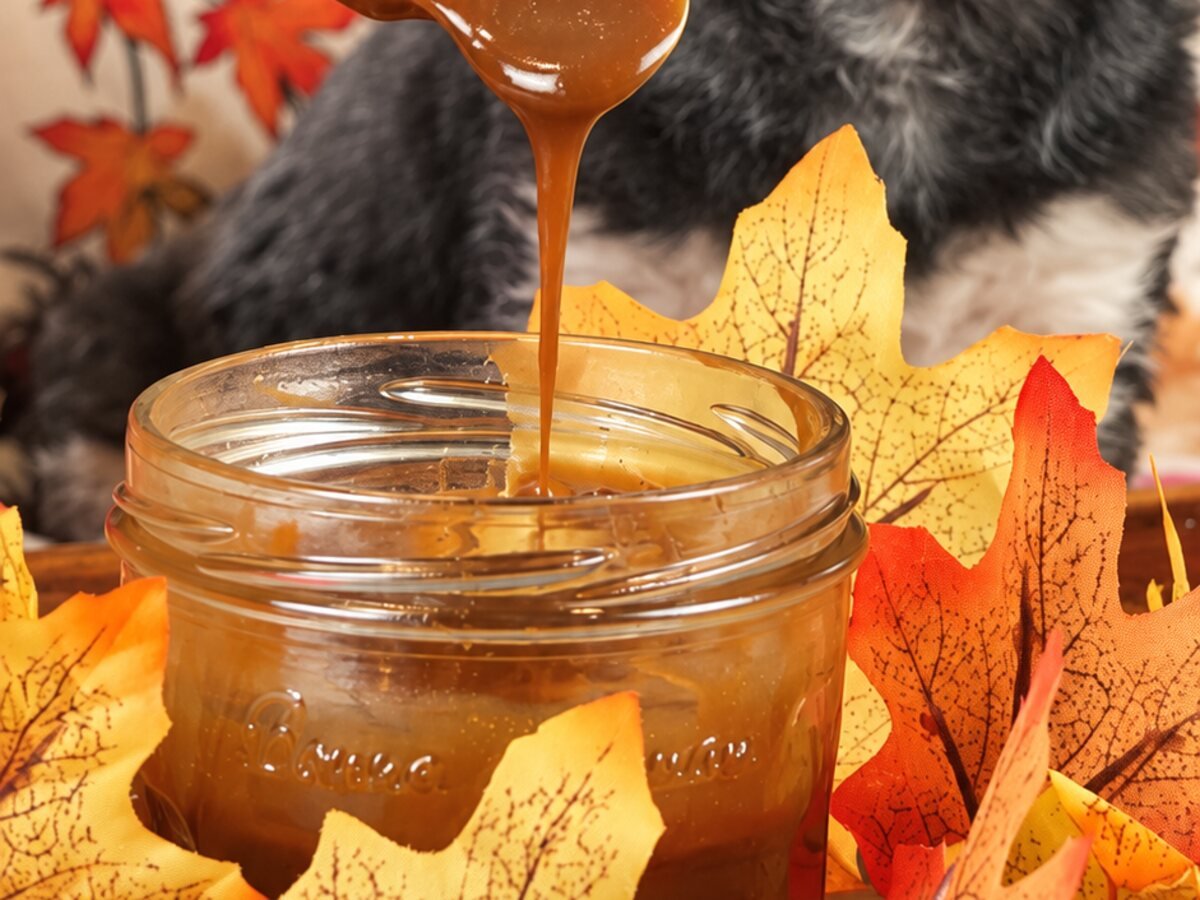
Gradually the hazelnuts release their natural oil and the preparation turns into a paste that is more and more supple, silky and glossy.
And there it is — you have just made your own praline paste.
Depending on the power of your machine and how long you blend, you can get a praline that is slightly textured or, on the contrary, extremely smooth.
Personally I adore that last version, so melting and fragrant.
How to use your homemade praline
The possibilities are almost endless.
You can fold it into a cream to fill a Paris-Brest, use it in a ganache, a chocolate mousse, a plant-based buttercream-style cream, an entremets or a tart filling.
It can also flavor a plant-based whipped cream, go with a homemade ice cream, fill small chocolates or bring an extra note to your layered desserts.
And between us, a very small spoonful of praline eaten just as it is, that is real happiness too.
What I love about this preparation is that with only two ingredients you can create a multitude of desserts, from the simplest to the most elaborate.
That is exactly what I love passing on through Les Secrets d’une Cheffe: showing you that by understanding techniques and ingredients, it becomes possible to make magnificent pastry at home, entirely plant-based and gluten-free, with nothing sacrificed to indulgence.
My tip: make it ahead
The other great advantage of this recipe is how well it keeps.
When I make pralin or praline, I like to always have a small reserve in the refrigerator.
Kept in a clean, perfectly dry, airtight container away from moisture, homemade praline can keep for several weeks in the cold, provided it was made and stored in good conditions.
It is so practical to be able to open your little jar and find it ready when the urge to bake comes along.
And believe me, once you get into the habit of making your own praline, you will find it hard to do without.
Over to you, and above all, enjoy
I sincerely hope this recipe gives you the urge to try it and, above all, to discover everything you can make with simple hazelnuts and coconut sugar.
It is a product I am enormously fond of and love bringing into my baking, as much for its flavor as for the different textures it makes possible.
I love the idea that with few ingredients, a little technique and a great deal of appetite, you can make such fine things.
As always, I look forward to hearing from you. Do tell me about your experiences, share what you made and let me know how you used your pralin or your praline.
You can find me on my social media, leave a comment on the blog or write to me by email. It is always an immense pleasure to see your creations and to know that my recipes come alive in your kitchens.
I wish you wonderful moments of baking and, above all, enjoy.
With all my love of good food,
Les Secrets d’une Cheffe
Ingredients
- 300 g hazelnuts, skin on or off
- 200 g coconut sugar
Method
- 1
Toast the hazelnuts for about 15 minutes at 180 °C (350 °F), stirring every 5 minutes; check skinned ones sooner.
- 2
Remove the skins if needed and let cool. Gently melt the coconut sugar over medium heat.
- 3
Coat the hazelnuts in the caramel, spread on parchment paper and let cool completely.
- 4
Break into small pieces and blend: briefly for a granular pralin, longer for a smooth praline paste.
Emmanuelle Grillet-Aubert
Original post: see it on Instagram
Did you make this recipe?
Do share it on Instagram and tag me @lessecretsdunecheffe and use the hashtag below. I love seeing what you make.
#lessecretsdunecheffe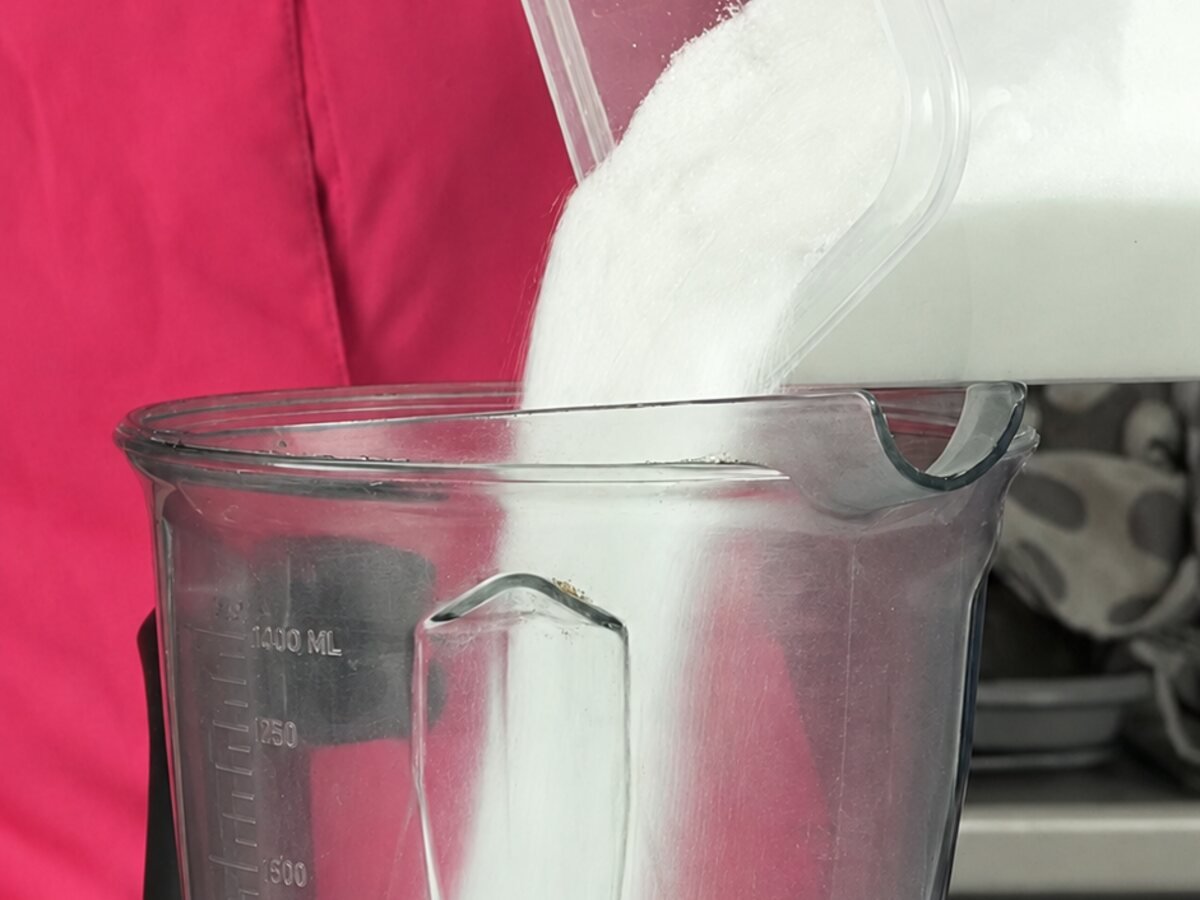
Want to go further?
The full courses take you through every move on video, with the recipe sheets and lifetime access.
Discover my video courses